Table of Contents
- 1Quick Answer: What Does It Cost to Permit an ADU?
- 2The Fee Families, Line by Line
- 3What Big Cities Actually Charge
- 4The 750-Square-Foot Line (California)
- 5Conversion ADUs: Where the Fees Collapse
- 6Pre-Approved Plans: The Legitimate Shortcut
- 7How ADU Fees Compare With Other Project Permits
- 8The Utility Line-Item Nobody Budgets
- 9Timeline Costs: The Fee Nobody Labels
- 10ADU Permit Cost FAQs
- 11What is the average ADU permit cost in California?
- 12Do I pay impact fees on an ADU?
- 13Are ADU permit fees cheaper for garage conversions?
- 14Does the ADU need its own water meter?
- 15Can I reduce plan-check fees by using a pre-approved plan?
- 16How do ADU permit fees compare to solar or pool permits?
- 17Budgeting the Real Number
Quick Answer: What Does It Cost to Permit an ADU?
Plan on $5,000–$25,000 in combined permit and city fees for a typical detached ADU in 2026 — with the low end in flat-fee cities and the high end in California's big jurisdictions before fee-waiver programs apply. That covers plan check, the building permit itself, and most utility connection charges. Impact fees, where they apply, ride on top: California law waives them entirely for ADUs under 750 square feet, which is why that number keeps showing up in ADU plans.
The honest headline: permitting is rarely what kills ADU budgets. It's predictable, it's itemized, and unlike construction costs, it's mostly fixed before you commit. The cities that used to strangle ADUs with fees have been legislatively defanged, and the remaining spread between $8,000 and $25,000 mostly reflects unit size and utility distance.
📌 Quick facts: Three fee families make up an ADU permit bill: soft-cost review fees (plan check, permit issuance, inspections), utility connection charges (water, sewer, power), and impact fees (parks, schools, traffic) — which state law caps or exempts for most ADU sizes in California.
The Fee Families, Line by Line
ADU permit bills look chaotic across cities, but every bill draws from the same three families. Knowing which family a charge belongs to tells you whether it's negotiable, waivable, or just expensive:
1. Review and issuance fees (fixed, unavoidable). Plan check is the largest line — reviewers verify the structure, energy compliance, fire access, and site plan. Building-permit fees and inspection fees follow. These scale with square footage and valuation, and no waiver program touches them.
2. Utility connection fees (variable, often the biggest surprise). A detached ADU with its own kitchen needs its own water and sewer capacity. Connection charges swing wildly: a few thousand dollars when the main runs through your alley, five figures when it doesn't, and some agencies levy a separate "kitchen addition" charge because a second kitchen implies a second household.
3. Impact fees (capped or waived). These fund schools, parks, and roads. California Government Code section 66324 exempts ADUs under 750 square feet from impact fees entirely and prorates them for larger units — you can read the statutory fee limits directly. Outside California, impact fee regimes vary from aggressive to nonexistent.
What Big Cities Actually Charge
Published fee schedules and program pages let us compare the big ADU markets. The numbers below describe the permit-side cost only — construction is a separate universe:
| City | Typical permit-side cost | Notes |
|---|---|---|
| Los Angeles | Roughly $8,000–$20,000+ all-in before waivers | Fee breakdowns on the city's fee page; the Standard Plan Program cuts plan-check time using pre-approved drawings |
| San Diego | Lower than LA on comparable units | Published development-services fee schedules; long-running ADU bonus program |
| Seattle | Moderate; utility charges dominate | SDCI publishes permit performance and timelines publicly |
| Flat-fee suburbs | $2,000–$6,000 | Residential review at flat rates; utility districts still bill separately |
The LA-versus-suburb spread isn't proof that big cities are greedy — it reflects plan-check hours, fire-department review, and utility capacity studies that small towns never run. What matters for your budget is which family each fee belongs to and whether a waiver applies to your unit size.
The 750-Square-Foot Line (California)
No number matters more in California ADU budgeting. Under 750 square feet of floor area, impact fees are zero statewide, and several agencies also streamline or reduce other charges. Cross 750, and impact fees arrive proportionally — commonly $5,000–$15,000 depending on the district's fee schedule.
This creates the strangest real-world design conversations in residential construction: clients shrinking a unit from 760 to 745 square feet to avoid a five-figure fee. Sometimes the math works the other way — if the second bedroom rents for $300 more a month, paying the fee is rational. Run both scenarios before finalizing floor area.
⚠️ Warning: The 750-square-foot exemption covers impact fees, not building-permit or utility fees. Marketing copy that promises "no fees under 750 sq ft" confuses families of charges. Ask the counter clerk to itemize which fees apply to your unit size — in writing.
Conversion ADUs: Where the Fees Collapse
Garage, basement, and attic conversions are the budget category everyone underestimates in the good direction. Because the shell already exists:
- Plan check reviews a simpler package — fewer sheets, less structure to verify
- No new footprint means no development-impact trigger in most frameworks
- Utility connections are often unnecessary — the unit taps existing service with a submeter where required
- California law explicitly prohibits most new connection charges for conversions
Realistic conversion permit bills commonly land between $2,000 and $8,000 all-in — the low end of the range where the existing water and sewer service gets reused. The catch, of course, is construction: turning a slab-on-grade garage into a code-compliant dwelling means raising floors, digging trench drains, and budgeting for the surprises inside 80-year-old walls.
Pre-Approved Plans: The Legitimate Shortcut
California cities now maintain catalogs of pre-approved ADU plans — drawings that have already survived plan check, sometimes multiple times. Building from one of them converts plan review from a line-item fee into a verification task, and slashes the review clock from months to weeks in many jurisdictions.
The trade-offs are real but narrow: you inherit someone else's floor plan, the plans are city-specific (a San Diego pre-approval doesn't transfer to Sacramento), and you still pay issuance and inspection fees. For budget projects on standard lots, the savings routinely reach four figures and the timeline benefit matters more than the money. The state's HCD ADU resources track which agencies maintain these programs.
How ADU Fees Compare With Other Project Permits
Context helps when you're budgeting. A $15,000 ADU permit bill sounds enormous until you frame it against the project it legalizes — and against other permitted projects homeowners take on:
- A deck or patio cover permit: $100–$800 (small scope, light review)
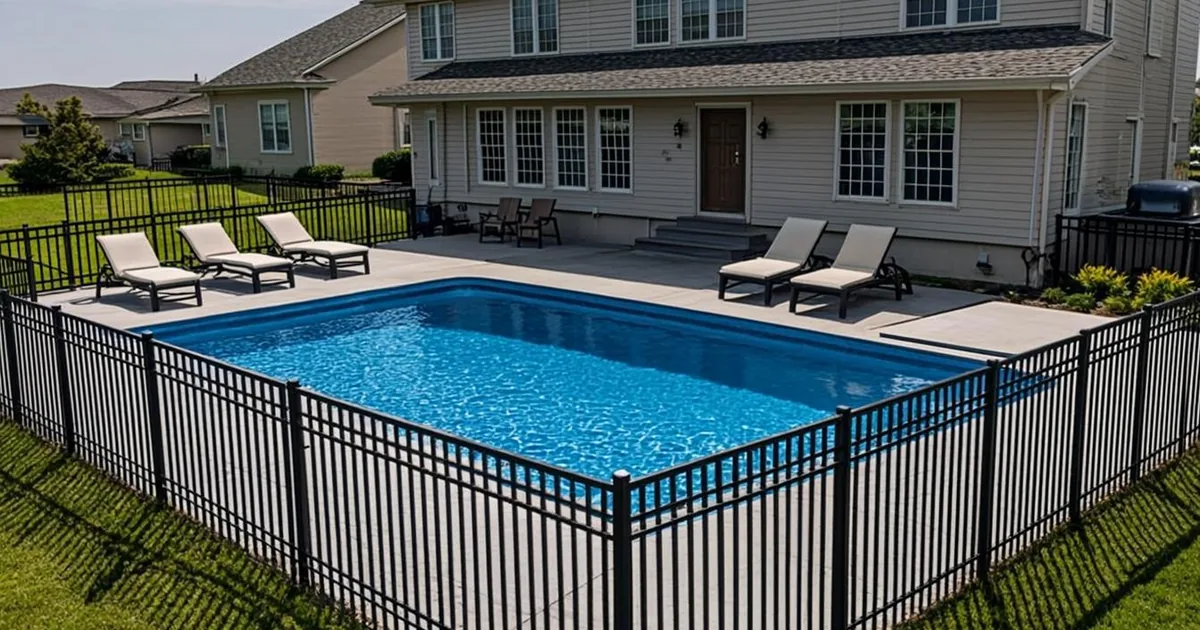
- A swimming pool package: $500–$2,500 (our pool permit cost guide itemizes why barriers and electrical drive it)
- A whole-house remodel: $1,000–$5,000 in most cities
- A new single-family home: commonly $30,000–$80,000 including impact fees — the same fee families as an ADU, multiplied by floor area
The ADU sits between a remodel and a new house because that's what it is: a complete dwelling with its own kitchen, bath, and utility demands on a residential lot. The statewide building permit cost guide shows the full spectrum, and the residential permit fee anatomy explains the line items that show up on every receipt.
The Utility Line-Item Nobody Budgets
If there's a single place ADU permit budgets fail, it's the utility connection estimate. Water and sewer capacity charges are set by special districts, not the building department, and they can dwarf every review fee combined. Three questions to ask before design:
- Where are the mains relative to my lot? A main in the adjacent alley means a short lateral; a main across a wide street means trenching, pavement restoration, and connection fees at full depth.
- Does the agency charge by fixture unit or EDU? Fixture-unit pricing rewards small bathrooms; EDU pricing charges like the ADU is a small house.
- Is there a second-kitchen surcharge? Some water agencies treat a second kitchen as presumptive second-dwelling evidence and bill accordingly — even on a conversion.
Power is simpler — solar-ready requirements and a panel upgrade commonly add $2,000–$4,000 — but gas is disappearing as an option in electrification-forward cities, so budget for a heat-pump water heater and mini-splits rather than a gas line extension.
💡 Tip: Get the utility agency's estimate in writing during design, not at permit issuance. Connection-fee schedules update annually, and an estimate printed in January can legally differ from the invoice you pay in November. The California fee-cap statutes protect you from most impact-fee growth mid-project, but they don't freeze utility district rates.
Timeline Costs: The Fee Nobody Labels
Permitting an ADU costs money in two currencies. The dollar fees are itemized above; the time cost hides in carry — the months of loan interest, rent, or delayed rental income that accrue while drawings sit in queue. California's statutes now force ministerial review (no discretionary hearings) with target timelines, and cities like Seattle publish their performance data so you can see the queue before you join it.
Two schedule accelerators matter more than any fee strategy: pre-approved plans (the queue skips most of plan check) and complete submittals (a single missing structural sheet restarts a review cycle that costs two to four weeks). The fee-saving obsession with square footage often matters less than submitting a package with zero defects.
ADU Permit Cost FAQs
What is the average ADU permit cost in California?
Most California ADUs land between $8,000 and $25,000 in combined permit, review, and connection fees for new detached construction, with conversions commonly between $2,000 and $8,000. Impact fees add nothing under 750 square feet statewide and scale above that per Government Code 66324.
Do I pay impact fees on an ADU?
In California, only if the unit is 750 square feet or larger — and then proportionally, capped by state formula. Outside California it depends entirely on local ordinances; some jurisdictions exempt small accessory units, others treat them like small houses.
Are ADU permit fees cheaper for garage conversions?
Yes, usually dramatically. No new footprint means simpler plan check, no development fees in most frameworks, and California bars most new connection charges for conversions since the unit reuses existing service. Construction costs do the opposite — conversions trade cheap permits for expensive surprises.
Does the ADU need its own water meter?
It depends on the agency. Some require separate meters for detached units with kitchens, others allow submeters or shared service with an internal division. Ask early — the meter policy changes the connection fee more than almost any other factor.
Can I reduce plan-check fees by using a pre-approved plan?
You reduce time more than fees, but the total usually drops too — the verification cycle bills fewer hours than a full review. The plan must be from the same agency's catalog, and you'll still pay issuance, inspection, and utility charges normally.
How do ADU permit fees compare to solar or pool permits?
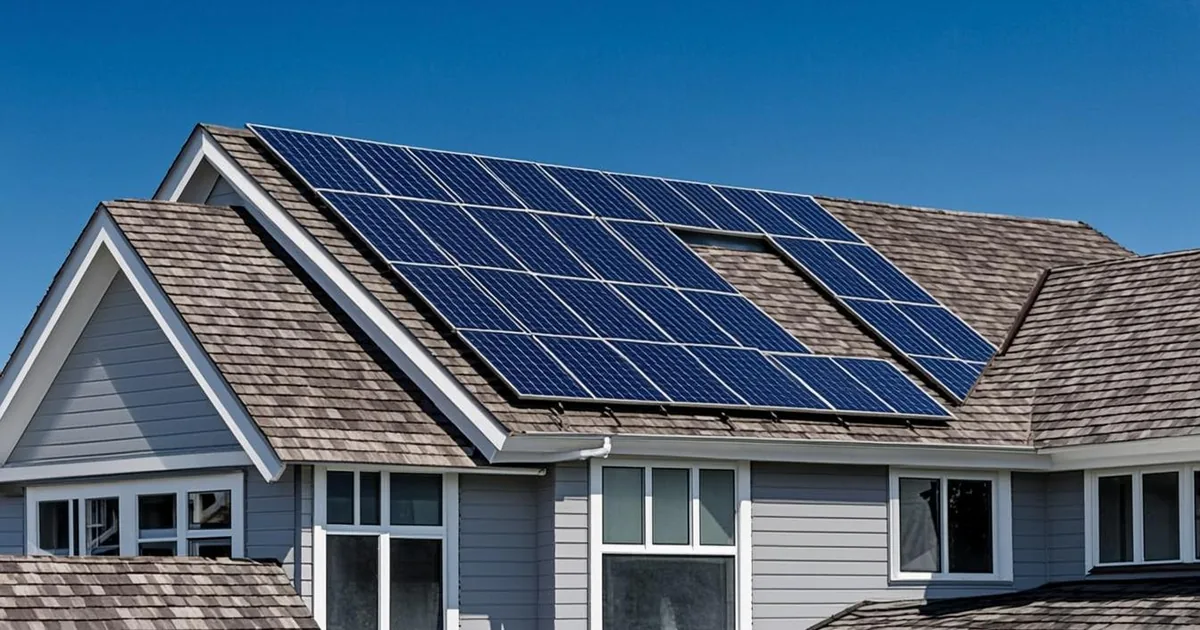
In a different league. Solar permits run $0–$450 in many jurisdictions thanks to statewide fee caps (our solar permit fee guide covers the caps), and pools run hundreds to a couple thousand. An ADU is a dwelling, so it carries dwelling-scale fees — there's no realistic path to a $500 ADU permit in a major city.
Budgeting the Real Number
✅ Key takeaway: Build your ADU permit budget from the three fee families, hold the design under 750 square feet if California impact fees apply, ask for the utility connection estimate in writing during design week, and check whether your city's pre-approved plan catalog fits your project. A budget built that way rarely moves more than 10% — and the permit bill becomes the most predictable line in the entire ADU project.