📌 Quick facts: Small drywall repairs, typically under one sheet or about 32 square feet, are commonly permit-free, while full-room installation usually rides along with a building permit for the larger job. Skip the permit anyway and penalties stack fast: Chicago's stop-work penalty runs $1,000 or more, and Seattle can fine up to $500 per day. Typical building permits cost $300 to $2,000. Enforcement varies by city as of October 2026.
Table of Contents
- 1When You Can Skip a Permit for Drywall Installation
- 2Why Drywall Sits in a Different Category Than Paint
- 3Stop-Work Orders and Fines: The Immediate Fallout
- 4The After-the-Fact Permit Path
- 5What a Drywall Permit Costs
- 6What Inspectors Check When Drywall Is Permitted
- 7Drywall Jobs That Usually Stay Permit-Free
- 8Selling a Home With Unpermitted Drywall
- 9Your Next Steps If the Work Already Happened
When You Can Skip a Permit for Drywall Installation
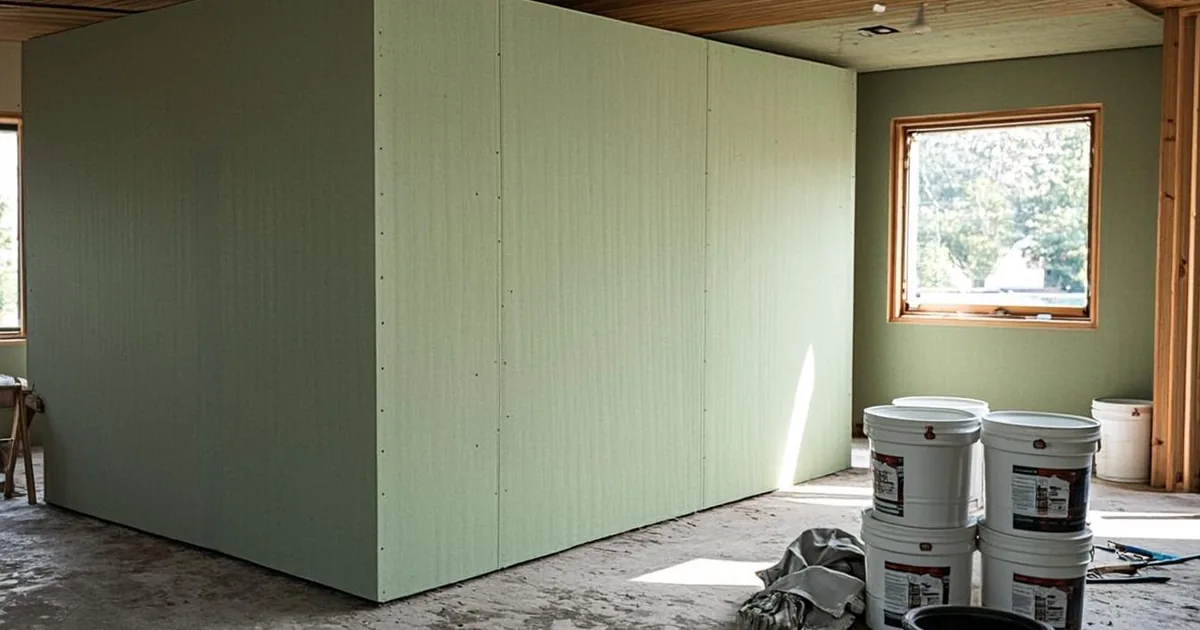
Here is the direct answer. You can usually skip a permit for drywall installation only when the work is a minor repair or a cosmetic patch, and almost never when the board is part of a basement finish, a new wall, or a remodel that touches framing, plumbing, or wiring. Inspectors treat drywall as part of the wall assembly. It carries fire ratings, sound separation, and air sealing, so it sits in a stricter lane than paint or carpet.
The model residential code draws the line clearly. Its exempt-work list, section R105.2 names painting, tiling, carpeting, cabinets, countertops, and similar finish work as permit-free, but drywall is not on that list. That omission is deliberate. Board installation changes the rated surface of a wall, so most departments want to see it happen under a permit, even when the scope feels small to you.
Think of it in three buckets. Cosmetic repair stays exempt in most places. Repairs that open the wall cavity usually need at least a light review. New board on new framing almost always needs a permit and an inspection. Most homeowner confusion comes from bucket one being described as if it covered all three.
Cities do carve out room for small jobs. The City of Boulder's permit page treats minor drywall repairs under one sheet, or about 32 square feet, as work that needs no building permit, which is a typical threshold pattern. Tucson's exemption list makes the same point in plainer words: repairs that stay minor and nonstructural usually skip the paperwork. Your own city likely has a page like these.
Why Drywall Sits in a Different Category Than Paint
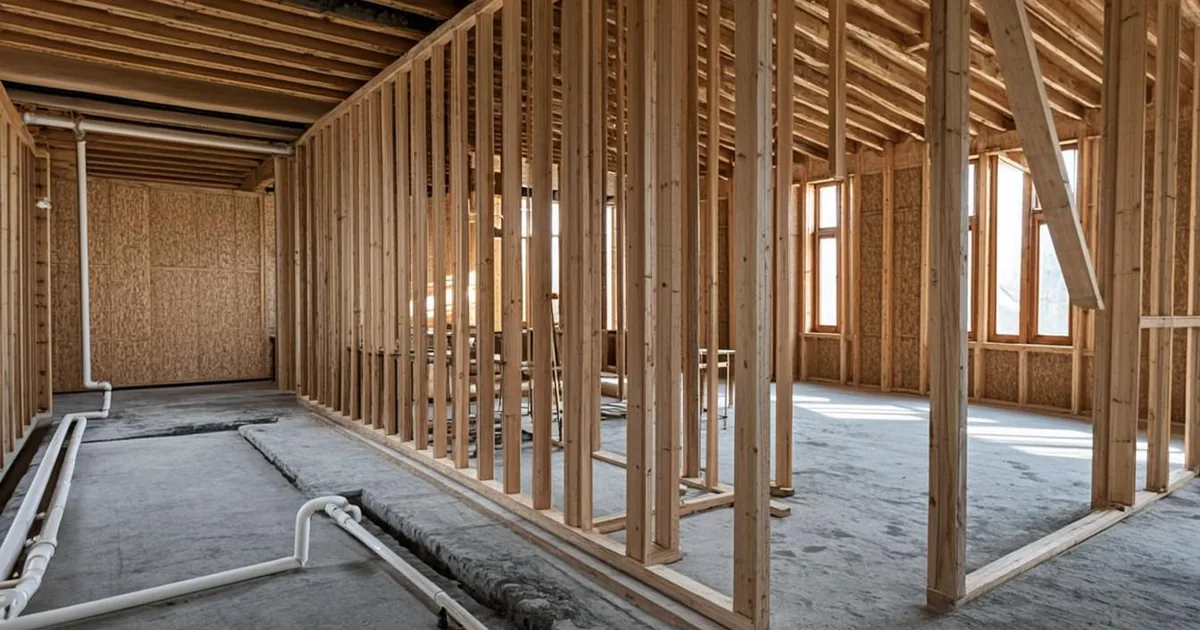
Paint covers drywall. Drywall covers framing, and that difference drives every rule on this page. A finished wall hides wiring splices, plumbing connections, fireblocking, and insulation, so the board is the last chance an inspector gets to verify the assembly before it disappears. Once the mud dries, checking any of it means cutting holes.
That is why county guidance reads the way it does. Boulder County's residential permit bulletin names drywall, insulation, basement finish, and structural repairs in the same breath as re-roofs, which tells you exactly how reviewers group the work. The board is not the project; it is the closing event of a project. Treating it that way keeps you out of trouble.
Fire ratings raise the stakes further. Walls between a garage and a living space, furnace closets, and shared walls in duplexes are rated assemblies, and the board type on those surfaces is part of the rating. Swap in the wrong sheet and the wall no longer performs the way the code assumed. No inspector can approve that by looking at the surface alone, so the permit exists to catch it before coverage.
Sound separation tells the same story. In duplexes and townhomes, the wall between units is often a rated assembly, and owners learn this the hard way when a shared-wall remodel triggers review. If your project touches a wall that faces a neighbor's unit or a garage, assume the board choice matters and ask before you hang anything. A quick question now beats a rebuild later.
Stop-Work Orders and Fines: The Immediate Fallout
Cities rarely treat unpermitted drywall as a slap on the wrist. Chicago's own work-without-a-permit FAQ says a discovered job stops under a stop-work order and can only resume after you pull the required permit and pay a penalty of $1,000 or more, on top of the regular fees. The clock keeps running while the crew waits.
Daily fines exist elsewhere. Seattle's construction page warns plainly that building without a permit can bring fines of up to $500 per day. Neighbors report open dumpsters and midnight sanding. Inspectors driving past see fresh board through an open garage door. It is rarely a mystery for long.
The fallout spreads past city hall, too. Contractors who hang board without permits can face license complaints. Your homeowner insurance may push back on a claim that involves unpermitted work. And a stop-work order is public record, which matters more than most owners expect. We cover the broader chain of consequences in our guide to building without a permit.
Fines are only the opening bill, too. Resume work, and you still pay the full permit fee, plan review, and any re-inspection charges. Miss a correction twice and the calendar stretches. The math rarely favors skipping the counter, even on a job that would have been cheap to permit.
The After-the-Fact Permit Path
If the board is already up, legalize it in the open. Call the building department, describe the scope honestly, and ask for the after-the-fact process. Typically you apply as if the project were new, pay the permit fee, and add whatever penalty or investigation fee the city attaches. Some departments roughly double the base fee for work started without a permit, and others charge a flat surcharge, so the number varies.
Expect the same inspections a legal project would face. For drywall that often means an inspector wants to see the framing, fireblocking, and any wiring before surfaces close, which can require cutting strategic openings in finished board. Painful, yes. But it is far cheaper than a stop-work order that never lifts, and the permit record you end up with is real.
Homeowners sometimes dodge this step because the job is already paid for. Resist that instinct. An unpermitted wall is a discount waiting to be discovered by the next buyer or the next insurance claim, and both discover late. Legalizing now, while you remember which walls hold wiring, is the cheapest version of this fix you will ever get.
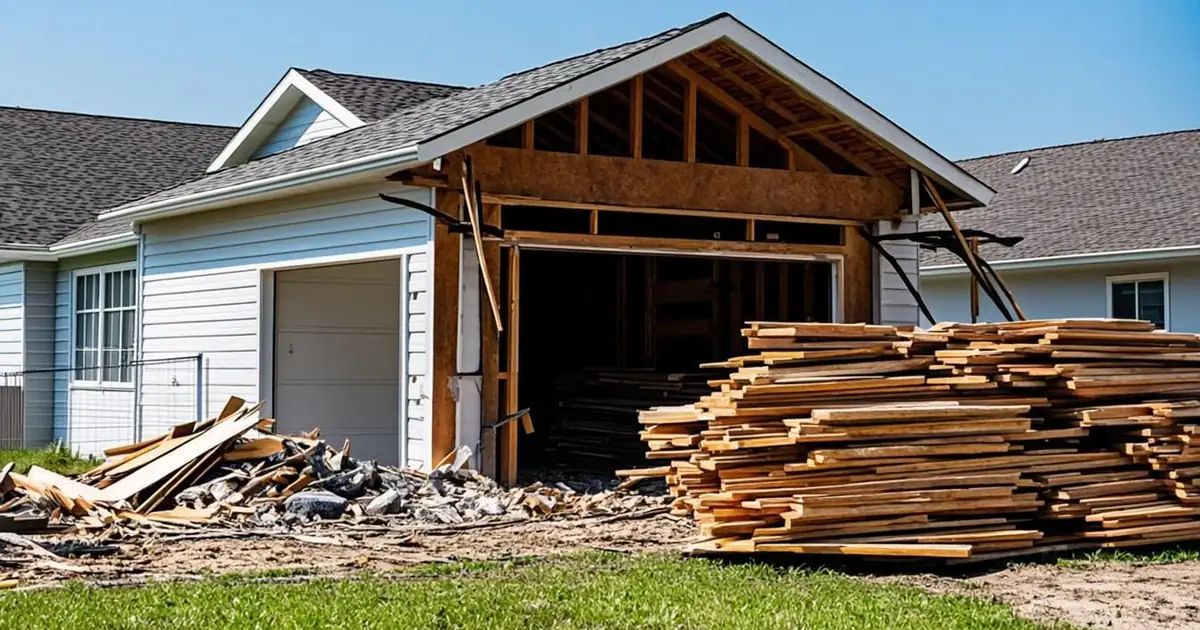
Demolition has its own lane here. If your cleanup involves tearing out whole walls down to studs, check our interior demolition permit guide before the dumpster arrives, because some cities regulate the tear-out separately from the rebuild.
What a Drywall Permit Costs
Standalone drywall permits are usually priced like other small residential scopes, and the honest frame is a range. Building permits for common residential projects typically run $300 to $2,000, or roughly 0.5% to 2% of project value, with big basement finishes landing toward the higher end. When drywall rides along with a larger permitted remodel, it does not usually carry its own line item; the valuation of the whole job sets the fee. Chicago publishes a permit fee calculator that shows how one big city prices scopes, and most departments now have an equivalent page.
Our residential permit fees guide breaks down how plan review, trade permits, and inspection fees stack on a typical job. Read it before you sign a contract, because the fee schedule surprises people less than the plan-review time does. Fees get paid twice if the work was unpermitted first.
What Inspectors Check When Drywall Is Permitted
A drywall inspection moves fast when the prep is right, and slowly when it is not. Inspectors typically look at board type against the room, fastener patterns on a schedule rather than by feel, joint treatment at rated assemblies, and fireblocking at soffits and chases. They check that moisture-resistant board is used near tubs and showers and that rated board protects the garage ceiling below bedrooms.
Preparation beats charm here. Leave the access panels built, keep the attic hatches workable, and have the fastener schedule from your approved plans on site. Small stuff, big effect. Most re-inspections come from missing fireblocking or the wrong board on a rated wall, both of which are ten-minute fixes before the mud comes out and full-day problems after.
A real example helps. Say you are closing in a garage corner for a home office. The inspector will typically want the wall against the garage side protected with rated board, seams taped, and fireblocking where the new wall meets the ceiling. None of that is exotic. It is just the assembly doing its job, and the inspection is where it gets confirmed.
One more habit worth stealing from pros: photograph every wall before board goes up. Wiring runs, fireblocking, and insulation become your record. If a question surfaces at resale, those photos answer it without opening drywall.
Drywall Jobs That Usually Stay Permit-Free
Plenty of board work never touches a permit counter. The pattern is simple: like-for-like repair of a small area, no framing, no rated assembly, no new openings. Typical examples are patching a doorknob hole, re-taping stair-step cracks, replacing a water-stained ceiling panel back to the same plane, and texturing a patched wall. Tucson's exemption guidance reflects how cities describe this: minor, nonstructural, and cosmetic work usually stays exempt.
| Drywall job | How cities typically treat it |
|---|---|
| Patching a small hole | Usually no permit; treated much like painting |
| Re-taping and texturing cracks | Typically exempt as minor repair work |
| Replacing a water-stained panel to the same plane | Often exempt; call if framing was touched |
| New board in a basement finish | Permit required, inspected with the finish permit |
| Board on a new partition wall | Permit required with the framing inspection |
| Garage or furnace-room wall repair | Check first; rated assemblies often need review |
Treat the table as a map, not a ruling. Adoption of the model code varies, and state amendments shift the details city by city, a pattern we unpack in our local codes vs state standards guide. When a job is borderline, a five-minute call to the permit desk settles it.
Selling a Home With Unpermitted Drywall
Fresh board with no permit record has a way of surfacing at the worst moment. Buyers' inspectors notice brand-new walls in a finished basement, ask for the permit history, and flag the gap in the report. Disclosure forms in many states then require you to admit what you know. The fix is usually a retroactive permit, and negotiating that mid-escrow costs more money and more time than doing it before listing.
Appraisers and lenders ask quieter versions of the same question. A finished lower level with no permit on file can be treated as unverified square footage, which trims the appraisal rather than adding to it. Owners who close out permits before market day typically net smoother closings. A records request to the building department tells you exactly what the city has on file for your address, and it costs little.
Rentals add another layer. If unpermitted board work exists in a unit you lease, habitability complaints and city inspections can surface it at awkward times, and the permit record question follows the property, not the owner. Landlords who clean up permit files between tenants usually pay less than landlords who wait for an inspector to open the file first.
Your Next Steps If the Work Already Happened
Move toward the city, not away from it. Call the building department, describe the scope in plain words, and ask two questions: whether the work as done needs a permit, and what the legalization path looks like. Self-reported cases usually follow the standard application route, with inspections focused on what the wall hides. Investigators respond far better to owners who walk in first.
Keep the tone factual on the call. Permit desks handle legalization cases every week, and describing the scope plainly gets you a straight answer quickly. Ask for the exact inspection list in writing so your contractor can stage any wall openings before the inspector arrives. One prepared visit beats three rushed ones.
Budget time realistically. Small scopes are often reviewed over the counter in a few days, while projects that need plan review take several weeks, and our permit timeline guide explains what actually drives the clock. Paper the project, pass the inspections, and the drywall becomes a boring line in your home's file. Boring is the goal.